
GTA Buyer Guide
Porch Renovation Cost in Toronto: Repair, Rebuild, or Just Fix the Stairs?
Practical Toronto/GTA porch decision guide with real repair vs rebuild costs, stair safety checks, inspection logic, and realistic timeline expectations.
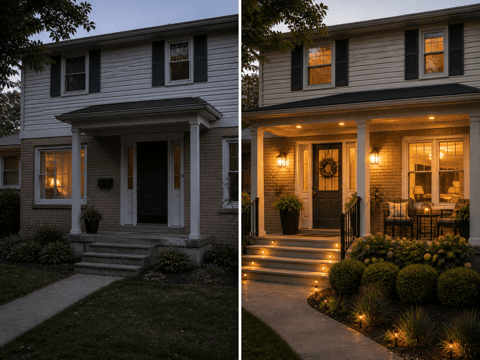
Porch Renovation Cost in Toronto: Repair, Rebuild, or Just Fix the Stairs?
In Toronto and the GTA, porch work can cost anywhere from a few hundred dollars to $40,000+ depending on scope. Most homeowners should not start with “replace everything.” The better first question is whether the structure is actually failing or just looks tired.
If the porch frame is sound and the issue is paint, surface wear, or a few damaged boards, repairs usually make more sense. If stairs are unsafe but the main platform is stable, you can often rebuild the stairs only. Full rebuild decisions usually come from structural risk, not cosmetic fear.
Repair, Rebuild, or Replace the Stairs? (Decision Shortcut)
| Situation | Best move | Priority | Timing | Typical GTA cost (CAD) |
|---|---|---|---|---|
| Peeling paint, surface wear, dated finish | Cosmetic refresh | Medium | Within 1 year | $300-$1,500 |
| A few soft/damaged boards, structure still firm | Targeted board replacement | Medium | 1-3 months | $500-$2,500 |
| Loose, awkward, or unsafe stairs | Rebuild stairs only | High | Immediate to 3 months | $2,500-$10,000 |
| Cracked or sinking concrete front steps | Concrete repair or replacement | High | Immediate | $500-$3,500 |
| Wobbly railing, unstable connection points | Structural safety correction | High | Immediate | $1,000-$5,000+ |
| Rot in posts/framing, movement in porch body | Partial/full rebuild | High | Immediate planning | $3,000-$25,000+ |
| Adding roof/enclosure or larger footprint | Redesign with permit workflow | Optional to strategic | Plan ahead | $15,000-$60,000+ |
Cost Ranges for Porch Renovation in Toronto/GTA
| Project type | Typical cost (CAD) | What it usually includes |
|---|---|---|
| Minor cosmetic refresh | $300-$1,500 | Sanding, painting/staining, small patching |
| Board replacement / small carpentry repair | $500-$2,500 | Selective board replacement, minor framing touch-ups |
| Concrete porch repair or resurfacing | $500-$3,500 | Patch, resurfacing, visible surface correction |
| Porch steps replacement | $2,500-$10,000 | New stairs, safer geometry, improved entry usability |
| Partial porch rebuild | $3,000-$15,000 | Stairs + railings + selected framing/surface components |
| Small open porch rebuild | $10,000-$25,000 | Main structure rebuild without major enclosure scope |
| Larger covered/custom/enclosed porch | $25,000-$40,000+ | Roofing, enclosure scope, higher finish complexity |
| Porch addition / major redesign | $15,000-$60,000+ | Footprint, roofline, layout and permit-heavy changes |
Price spread is wide for a reason: hidden rot, footing depth, railings, stair complexity, disposal, site access, older Toronto housing conditions, and permit scope can all move the number quickly.
How Long Does Porch Renovation Take in Toronto?
| Scope | Typical timeline | What delays it |
|---|---|---|
| Cosmetic refresh | 1-3 days | Rain, surface prep surprises |
| Replace several boards | 1-3 days | Hidden sub-surface damage |
| Rebuild stairs only | 2-5 days | Material lead time, code adjustments |
| Concrete repair/resurfacing | 1-5 days + curing | Temperature, curing schedule, weather |
| Partial rebuild | 1-2 weeks | Demolition surprises, trade coordination |
| Full rebuild | 3-6 weeks | Permit review, contractor queue, hidden structural issues |
If structural redesign or enclosure is involved, add roughly 2-8+ weeks for design/permit review depending on municipality and scope complexity.
Do You Need a Permit to Renovate a Porch in Toronto?
Painting, staining, and small cosmetic work usually does not require a building permit. Structural changes, enlarged footprint, major rebuild, roof addition, or enclosure often requires permit review. Confirm with Toronto Building (or your local GTA municipality) before starting structural work, especially when the porch is attached to the house, elevated, covered, or materially altered.
Real Toronto/GTA Story: Looked Like a Tear-Down, Was Not
Friends bought a GTA home where the front porch looked rough enough that they expected a full replacement. First impression was not good. Stairs felt awkward, surface looked aged, and paint made the whole structure seem worse than it was.
They called contractors expecting to hear “rebuild everything.” One quote leaned that way immediately. A second inspection dug deeper and found the core structure was still usable. The real weak point was stairs plus several damaged boards, not total structural failure.
Final scope was practical: replace damaged boards, repaint/refinish, and substantially redo the stairs. Full rebuild was deferred. That shifted cost from a potential $15,000-$25,000+ project to roughly $2,000-$5,000 depending on labor and materials. The key win was separating cosmetic fear from structural risk before committing to the larger job.
Porch Inspection Checklist Before You Spend
- Soft or spongy boards when walking (possible rot below finish layer).
- Peeling paint over suspect wood (may hide moisture cycling).
- Posts touching soil or consistently wet zones (accelerates rot risk).
- Wobbling railings or loose fasteners (safety issue, not cosmetic).
- Stairs that flex, shift, or have uneven risers/treads (trip risk).
- Concrete cracks, tilting, or sinking steps (possible base movement).
- Water pooling near porch or at house connection points.
- Visible gaps where porch meets house envelope.
- Signs of rushed DIY patches that are not structurally sound.
What you can catch yourself: movement, softness, water pooling, visible cracks. What usually needs a pro: load-path concerns, hidden framing condition, concrete base movement, and safe stair geometry. Basic inspection cost often lands around $300-$600, with specialized structural/moisture review higher. Catching issues early can prevent mis-scoped rebuild decisions.
If you are not sure whether this is repair or rebuild scope, start with an inspection-level review first. It is usually cheaper than deciding from fear.
What Can Go Wrong in Porch Renovation Projects?
- Hidden rot discovered after surface boards are removed.
- Stairs rebuilt with unsafe proportions that fail usability/safety checks.
- Railings that look fine but are not properly anchored.
- Concrete patched cosmetically while base settlement continues.
- Drainage left unresolved, pushing water toward the house.
- Unpermitted structural changes creating later resale/legal friction.
- Quotes expanding after demolition because original scope was incomplete.
DIY vs Professional: Where the Line Is
DIY can be reasonable for painting/staining and selective non-structural board swaps when framing is clearly sound. DIY gets risky fast with stairs, railings, posts, framing, footings, sinking concrete, or any load-bearing correction. A porch is an entry structure used daily, not just a cosmetic feature. Safety and code compliance matter.
What This Means When Buying a House in Toronto/GTA
An ugly porch is not automatically a deal breaker. It can be negotiation leverage. Unsafe stairs are usually priority work. Full rebuild risk should be budgeted before offer if you see movement, rot, or concrete settlement signs. If seller says porch was recently redone, ask for permits/invoices where structural work was involved.
Does Porch Renovation Add Value?
Targeted porch work often improves curb appeal and buyer confidence. It can reduce inspection anxiety at resale. But porch upgrades rarely “print money” on their own. In most Toronto/GTA cases, best value comes from focused safety and durability work plus a clean finish, not oversized luxury scope.
Related Tools and Guides
- Deck cost calculator for Toronto/GTA
- General home repairs calculator
- Back/front yard upgrade cost guide
- Home inspection cost and decision guide
- Renovation costs in Toronto and GTA
- Toronto renovation cost checklist
Optional next step: if you want a second opinion before committing to rebuild scope, use the Get Matched contact form to compare local contractor feedback.
Where These Numbers Come From
We use Toronto/GTA contractor pricing patterns, local housing-stock observations, and scenario-based maintenance modeling. These are planning ranges only, not fixed quotes.
Confidence Level
Medium confidence. Confidence is lower when scope depends on hidden conditions (for example behind-wall electrical, moisture, or structural corrections) and higher when scope is cosmetic with clear access and stable systems.
What Can Go Wrong
- Hidden moisture, mold, or drainage issues discovered after opening finishes.
- Electrical and plumbing upgrades that expand from partial to full-scope corrections.
- Structural or code-compliance issues that add permit and timeline pressure.
- Contractor sequencing gaps that create avoidable rework and added cost.
When This Estimate Breaks
Rough planning ranges break down when property condition is unknown, prior work is undocumented, or major scope changes happen mid-project. For high-risk properties, use these ranges only as a first-pass budget screen and validate with inspection plus scoped quotes before committing.
Practical reference: use the Toronto renovation cost checklist for a full renovation budget breakdown before you finalize your offer assumptions.
Section 1 - Context
This page solves a buyer-side decision problem: whether this issue should change your offer strategy, first-year budget plan, or property selection in Toronto/GTA.
Section 2 - Cost Range
Use the cost and timing ranges already presented in this guide. Keep the same numbers, then test best/base/worst-case scenarios before committing.
Section 3 - Interpretation
The same number can mean very different risk depending on scope depth. Lower ranges often map to targeted corrective work; upper ranges usually indicate system-level overlap or sequencing friction.
Section 4 - Risk & Variability
- Scope drift after inspection or opening walls.
- Permit/trade dependencies that extend timeline and labor cost.
- Material and contractor availability across GTA seasons.
Section 5 - What Can Go Wrong
- Hidden moisture or drainage issues.
- Electrical/plumbing corrections cascading into finish rework.
- Under-scoped contractor proposals that omit necessary items.
Section 6 - Confidence
Confidence: Medium
Confidence is medium because visible condition and true technical condition often diverge until inspection and scoped validation.
Section 7 - Decision Frame
When this is manageable: Manageable when scope is known, contingency is budgeted, and sequencing is realistic.
When to walk away: Walk away when total correction risk and first-year cash-flow pressure remove the expected deal advantage.
Section 8 - Next Step
Estimate your scenario first - then decide next step.
Planning Notes
Risks
Scope can expand quickly when hidden system conditions differ from visible finishes.
Trade-Offs
Lower initial purchase price may be offset by higher first-year correction spend if risk is under-scoped.
When Not to Do It
Do not proceed when projected correction range plus contingency removes your affordability margin.