
GTA Buyer Guide
How to Buy a House in Toronto (Step-by-Step Guide for First-Time Buyers)
A practical Toronto-first buying flow: budget, pre-approval, inspection, renovation planning, offer strategy, and post-closing priorities.
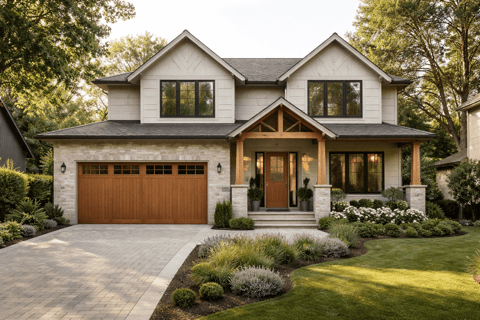
Buying in Toronto is rarely about finding a perfect home. It is about making a practical decision with realistic pricing, inspection context, and first-year renovation planning before you commit.
Step 1 — Understand Your Budget
Start with total monthly affordability and reserve budget, not only purchase price. In this market, small underestimates can compound quickly after closing.
Step 2 — Get Mortgage Pre-Approval
Pre-approval gives you a realistic spending range and sharper decision speed when a suitable listing appears.
Step 3 — Define What You Are Actually Buying
Choose your tradeoffs clearly: location, property type, and whether you accept cosmetic or systems-level work.
Step 4 — Evaluate Properties With Cost Context
Before emotional decisions, pressure-test likely scope with calculators and checklist assumptions:
- Fixer-upper vs move-in-ready calculator
- Kitchen renovation calculator
- HVAC calculator
- Toronto renovation cost checklist
Step 5 — Plan Home Inspection Early
Inspection is usually where hidden risk becomes visible. Use a clear inspection plan before final offer decisions. See Home Inspection in Toronto (Cost, What It Covers, and If It’s Worth It).
Step 6 — Estimate Real Renovation Costs
Do not use one blended renovation number. Split scope by category and include contingency to avoid first-year budget shock.
Step 7 — Make an Offer With Decision Buffers
Your offer should reflect known risks, inspection strategy, and realistic correction costs where appropriate.
Step 8 — Plan Post-Purchase Work in Phases
Prioritize safety and systems first, then functionality, then cosmetic upgrades.
Common Mistakes Toronto Buyers Make
- Underestimating renovation and correction costs
- Skipping inspection under pressure
- Ignoring hidden costs in year one
If You Don’t Want to Figure This Out Alone
Use Get Matched to connect with a practical next step for mortgage, realtor, renovation, or inspection support in Toronto and the GTA.
Use Get Matched to find someone reliable when you need expert help quickly and do not want to coordinate everything yourself.
Real location filter that prevented expensive mistakes
My active search zones were Etobicoke (Bloor-Islington and Kipling-Park Lawn), Etobicoke West Mall/Mississauga side, and North York, mainly for commute and school constraints. The practical rule I kept through the process: after you move in, location and lot size are the two hardest variables to change, so they should be weighted above most cosmetic concerns.
Where These Numbers Come From
We use Toronto/GTA contractor pricing patterns, local housing-stock observations, and scenario-based maintenance modeling. These are planning ranges only, not fixed quotes.
Confidence Level
Medium confidence. Confidence is lower when scope depends on hidden conditions (for example behind-wall electrical, moisture, or structural corrections) and higher when scope is cosmetic with clear access and stable systems.
What Can Go Wrong
- Hidden moisture, mold, or drainage issues discovered after opening finishes.
- Electrical and plumbing upgrades that expand from partial to full-scope corrections.
- Structural or code-compliance issues that add permit and timeline pressure.
- Contractor sequencing gaps that create avoidable rework and added cost.
When This Estimate Breaks
Rough planning ranges break down when property condition is unknown, prior work is undocumented, or major scope changes happen mid-project. For high-risk properties, use these ranges only as a first-pass budget screen and validate with inspection plus scoped quotes before committing.
Practical reference: use the Toronto renovation cost checklist for a full renovation budget breakdown before you finalize your offer assumptions.