
GTA Buyer Guide
Roof Replacement Cost in Toronto (Real 2026 Numbers)
Understand when roof repair is enough and when full replacement is the smarter budget decision in Toronto and GTA homes.
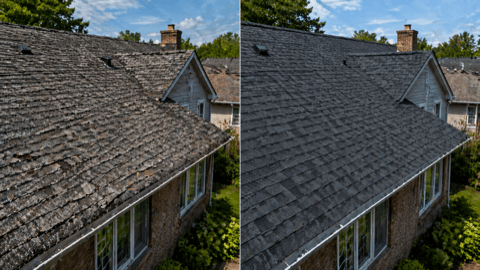
In Toronto, roof decisions are usually about timing and scope control, not panic replacement. Minor roof repairs can often land around $300-$3,000, while full replacement commonly starts around $7,000 and often runs up to $20,000+ depending on roof size, material pathway, and hidden deck conditions.
Toronto Roof Cost Snapshot (CAD)
- Minor/localized repair: $300-$3,000
- Moderate recurring repair scope: $1,800-$7,000
- Full replacement: $7,000-$20,000+
What Moves Cost the Most
- Roof size and pitch complexity
- Age and remaining service life
- Damage spread (localized vs broad failure)
- Underlying decking or moisture damage discovered after tear-off
- Access/logistics and material selection
Repair vs Replacement: Practical Decision Logic
Repair is usually reasonable when damage is localized, leaks are contained, and the roof still has remaining service life. Replacement is more likely the better path when damage is broad, repairs repeat frequently, or repair costs begin approaching replacement economics.
When Buyers Should Be Cautious
- Repeated patch history with ongoing leak symptoms
- Older roofs with multiple failure points
- Roof issues combined with other first-year major system costs
What This Means Before You Buy
For Toronto and GTA buyers, roof scope should be priced before closing and folded into first-year cash-flow planning. The goal is not perfect precision early; it is avoiding decision errors by distinguishing manageable repairs from likely replacement scenarios.
Use the Roof Repair vs Replacement Calculator, cross-check with the Toronto renovation cost checklist, and compare whole-deal trade-offs with the Fixer-Upper vs Move-In Calculator. If you want practical next steps, use Get Matched.
Real near-miss that changed my roof decision model
One property had a freshly done roof that looked like a plus during walkthrough. Later review showed it was installed as a second layer over existing shingles. That shortcut can accelerate long-term degradation and can increase future replacement complexity and disposal cost. Since then, I treat “new roof” as neutral until layer count and deck condition are confirmed.
Upgrade with better long-term value than expected
Roof insulation delivered stronger practical value than cosmetic roof-adjacent upgrades in my own ownership plan: better comfort, lower seasonal energy loss, and clearer ROI over time.
Where These Numbers Come From
We use Toronto/GTA contractor pricing patterns, local housing-stock observations, and scenario-based maintenance modeling. These are planning ranges only, not fixed quotes.
Confidence Level
Medium confidence. Confidence is lower when scope depends on hidden conditions (for example behind-wall electrical, moisture, or structural corrections) and higher when scope is cosmetic with clear access and stable systems.
What Can Go Wrong
- Hidden moisture, mold, or drainage issues discovered after opening finishes.
- Electrical and plumbing upgrades that expand from partial to full-scope corrections.
- Structural or code-compliance issues that add permit and timeline pressure.
- Contractor sequencing gaps that create avoidable rework and added cost.
When This Estimate Breaks
Rough planning ranges break down when property condition is unknown, prior work is undocumented, or major scope changes happen mid-project. For high-risk properties, use these ranges only as a first-pass budget screen and validate with inspection plus scoped quotes before committing.
Practical reference: use the Toronto renovation cost checklist for a full renovation budget breakdown before you finalize your offer assumptions.
Section 1 - Context
This page solves a buyer-side decision problem: whether this issue should change your offer strategy, first-year budget plan, or property selection in Toronto/GTA.
Section 2 - Cost Range
Use the cost and timing ranges already presented in this guide. Keep the same numbers, then test best/base/worst-case scenarios before committing.
Section 3 - Interpretation
The same number can mean very different risk depending on scope depth. Lower ranges often map to targeted corrective work; upper ranges usually indicate system-level overlap or sequencing friction.
Section 4 - Risk & Variability
- Scope drift after inspection or opening walls.
- Permit/trade dependencies that extend timeline and labor cost.
- Material and contractor availability across GTA seasons.
Section 5 - What Can Go Wrong
- Hidden moisture or drainage issues.
- Electrical/plumbing corrections cascading into finish rework.
- Under-scoped contractor proposals that omit necessary items.
Section 6 - Confidence
Confidence: Medium
Confidence is medium because visible condition and true technical condition often diverge until inspection and scoped validation.
Section 7 - Decision Frame
When this is manageable: Manageable when scope is known, contingency is budgeted, and sequencing is realistic.
When to walk away: Walk away when total correction risk and first-year cash-flow pressure remove the expected deal advantage.
Section 8 - Next Step
Estimate your scenario first - then decide next step.
Planning Notes
Risks
Scope can expand quickly when hidden system conditions differ from visible finishes.
Trade-Offs
Lower initial purchase price may be offset by higher first-year correction spend if risk is under-scoped.
When Not to Do It
Do not proceed when projected correction range plus contingency removes your affordability margin.