
GTA Buyer Guide
Add Bathroom Cost in Toronto: When It Is $10k vs $60k+
Practical Toronto decision guide for adding a second bathroom: feasibility, cost ranges, plumbing risk, permits, and when to walk away.
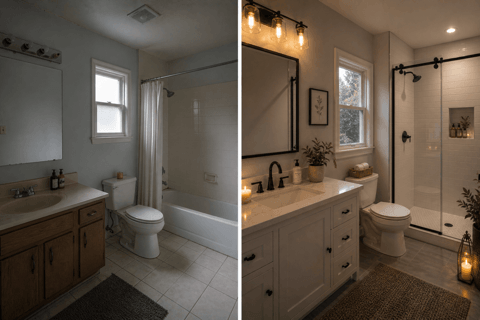
How Much Does It Cost to Add Another Bathroom in Toronto/GTA?
In Toronto, adding a bathroom can cost roughly $10,000 to $60,000+. The biggest cost driver is not tile or fixtures. It is plumbing location. If drain and vent lines are nearby, the project can stay reasonable. If they are far, costs can spike fast.
This is why two bathrooms of similar size can have totally different budgets. A compact powder room near existing plumbing can be manageable. A basement bathroom without rough-in, long pipe runs, and slab cutting can become a major build.
Where Can You Realistically Add a Bathroom?
| Scenario | Difficulty | Priority | Typical cost (CAD) |
|---|---|---|---|
| Next to an existing bathroom | Low to medium | High-value option | $10,000-$25,000 |
| Above/below an existing bathroom stack | Medium | High-value option | $12,000-$30,000 |
| Basement with rough-in already present | Medium | Good option | $20,000-$40,000 |
| Basement without rough-in | High | Case-by-case | $30,000-$60,000+ |
| Garage/addition area | High | Usually optional | $25,000-$60,000+ |
| “Random” location far from plumbing | Very high | Usually avoid | $35,000-$70,000+ |
Short version: plumbing defines everything. Room size matters, but pipe distance and drainage feasibility usually decide whether this is a smart project or a budget trap.
Add Bathroom Cost Toronto: GTA Reality by Scope
- Powder room: $10,000-$30,000
- Full bathroom: $15,000-$50,000+
- Basement bathroom: $20,000-$60,000+
- Luxury scope: $60,000-$100,000+
Key cost drivers include plumbing distance, slab cutting in basements, drainage slope, venting, electrical upgrades, waterproofing, permit requirements, and layout complexity in older GTA homes.
How Long Does It Take?
- Simple (near plumbing): 2-4 weeks
- Medium scope: 4-6 weeks
- Complex (basement/digging/pump): 6-10+ weeks
Permit review can add around 2-4 weeks, sometimes more depending on municipality and scope.
Real GTA Scenario: $40k Quote Reduced to ~$18k
A buyer in the GTA purchased a home assuming they could “just add a second bathroom later.” Space existed, so they expected a straightforward project. First contractor quote came in around $40,000+ because the proposed location was far from plumbing and required heavier rework.
After revisiting layout with another contractor, they moved the bathroom closer to existing plumbing lines. Final scope changed from a complex run to a more efficient path. Estimated total dropped to about $18,000.
Lesson: bathroom location often matters more than bathroom size or finish level. Plumbing path drives the bill.
What Can Go Wrong?
- Insufficient drainage slope and repeat backup risk.
- Sewage ejector pump becoming mandatory in basement layouts.
- Concrete/slab cutting cost underestimated.
- Moisture management ignored in below-grade spaces.
- Incorrect venting leading to odor and performance issues.
- Unpermitted plumbing/electrical changes creating future resale friction.
Feasibility Checklist Before You Budget
- Where is the nearest drain stack?
- Can pipes run with proper slope to the stack?
- If basement: what slab scope is needed?
- Is ceiling height still usable after routing and framing?
- Can ventilation be installed properly?
- Does electrical panel capacity support added load?
Homeowners can check rough location constraints and space. Plumbing path feasibility, venting, and code compliance need professional confirmation.
If you are unsure whether the layout is even feasible, start with a practical pre-scope review through the Get Matched form before committing to design costs.
Permits in Toronto/GTA: When They Matter
Permits are usually required when you add plumbing, add electrical, or modify walls/structure. Typical permit-related costs can range around $500-$2,000+ depending on scope. Approval timelines are often around 2-4 weeks. Confirm locally before construction starts.
DIY vs Professional
DIY is rarely recommended for bathroom additions because plumbing, drainage, venting, and electrical compliance are the high-risk parts. Professional execution costs more upfront but avoids expensive code and rework mistakes later.
What This Means When Buying a House in Toronto/GTA
- “We will add a bathroom later” is risky if plumbing location is unknown.
- Check rough-in and drain proximity before final offer assumptions.
- Basement bathroom scope can cost much more than expected.
- Existing rough-in is a major budget advantage.
Does a Second Bathroom Add Value?
Usually yes for usability and resale confidence, especially in family layouts. But ROI depends on placement, quality of execution, and whether scope is efficient. A practical, code-compliant addition near existing plumbing typically performs better than an expensive forced layout.
Related Tools and Guides
- Basement renovation and finishing in Toronto/GTA
- Basement renovation cost calculator
- General renovation and repairs cost calculator
- Home inspection cost and scope in Toronto
- Hidden costs after buying an older Toronto home
- Toronto renovation cost checklist
Optional next step: run your numbers first, then decide whether to validate with local pros using the Get Matched form.
Where These Numbers Come From
We use Toronto/GTA contractor pricing patterns, local housing-stock observations, and scenario-based maintenance modeling. These are planning ranges only, not fixed quotes.
Confidence Level
Medium confidence. Confidence is lower when scope depends on hidden conditions (for example behind-wall electrical, moisture, or structural corrections) and higher when scope is cosmetic with clear access and stable systems.
What Can Go Wrong
- Hidden moisture, mold, or drainage issues discovered after opening finishes.
- Electrical and plumbing upgrades that expand from partial to full-scope corrections.
- Structural or code-compliance issues that add permit and timeline pressure.
- Contractor sequencing gaps that create avoidable rework and added cost.
When This Estimate Breaks
Rough planning ranges break down when property condition is unknown, prior work is undocumented, or major scope changes happen mid-project. For high-risk properties, use these ranges only as a first-pass budget screen and validate with inspection plus scoped quotes before committing.
Practical reference: use the Toronto renovation cost checklist for a full renovation budget breakdown before you finalize your offer assumptions.
Section 1 - Context
This page solves a buyer-side decision problem: whether this issue should change your offer strategy, first-year budget plan, or property selection in Toronto/GTA.
Section 2 - Cost Range
Use the cost and timing ranges already presented in this guide. Keep the same numbers, then test best/base/worst-case scenarios before committing.
Section 3 - Interpretation
The same number can mean very different risk depending on scope depth. Lower ranges often map to targeted corrective work; upper ranges usually indicate system-level overlap or sequencing friction.
Section 4 - Risk & Variability
- Scope drift after inspection or opening walls.
- Permit/trade dependencies that extend timeline and labor cost.
- Material and contractor availability across GTA seasons.
Section 5 - What Can Go Wrong
- Hidden moisture or drainage issues.
- Electrical/plumbing corrections cascading into finish rework.
- Under-scoped contractor proposals that omit necessary items.
Section 6 - Confidence
Confidence: Medium
Confidence is medium because visible condition and true technical condition often diverge until inspection and scoped validation.
Section 7 - Decision Frame
When this is manageable: Manageable when scope is known, contingency is budgeted, and sequencing is realistic.
When to walk away: Walk away when total correction risk and first-year cash-flow pressure remove the expected deal advantage.
Section 8 - Next Step
Estimate your scenario first - then decide next step.
Planning Notes
Risks
Scope can expand quickly when hidden system conditions differ from visible finishes.
Trade-Offs
Lower initial purchase price may be offset by higher first-year correction spend if risk is under-scoped.
When Not to Do It
Do not proceed when projected correction range plus contingency removes your affordability margin.